Mostrando entradas con la etiqueta 3º ESO. Mostrar todas las entradas

jueves, 24 de enero de 2019

¿Cómo se comenta un mapa histórico?

A continuación os voy a facilitar una guía para trabajar y comentar mapas históricos.
Estos mapas nos van a dar mucha información histórica, geográfica y económica que necesitamos entender, además de ser una herramienta muy útil para estudiar y comparar la historia.

Para comentar un mapa tenemos que seguir los siguientes pasos:

1. CLASIFICACIÓN.

  • Título. Si no tiene debemos ponerle uno.
  • Situación espacio-temporal. Debemos indicar la fecha de los acontecimientos representados de la forma más concreta posible y el lugar.
  • Tipo de mapa
    • Mapa político. Proporciona información sobre fronteras, conquistas, guerras, etc. 
    • Mapa político-social. Es una variante del anterior. Hace referencia a revoluciones, distribución de nacionalidades, datos de encuestas o resultados electorales, etc. 
    • Mapa económico. Sitúa cualquier hecho económico, como la industrialización, la extensión de cultivos, las rutas comerciales, las vías de comunicación, etc. 
    • Mapa Administrativo. Presenta divisiones provinciales, regionales o de circunscripciones administrativas de un Estado, región o zona -
    • Mapa demográfico. Recoge movimientos migratorios, densidades de población, expediciones repobladoras o colonizadoras, etc. 
    • Mapa cultural. Hace referencia a movimientos de carácter cultural, como la expansión de estilos artísticos, literarios, áreas lingüísticas, etc.
  • Escala. Debemos indicar si tiene, ya que ésta nos va a permitir calcular la distancia real en relación con la representada en el mapa.

2. ANÁLISIS (DESCRIPCIÓN DEL CONTENIDO DEL MAPA).

  • Explicar el contenido. Deberemos empezar describiendo los límites geográficos de la superficie representada, su cronología y los diferentes elementos que observamos ayudándonos de los colores, signos y símbolos de la leyenda. En definitiva, como su estuviéramos “leyendo” el contenido del mapa.
  • Explicar los hechos históricos  que se reflejan en el mapa. Debemos buscar símbolos que nos ayuden a identificar hechos, conceptos o pistas históricas para poder explicar y ampliar la información de los acontecimientos representados.

3. RELACIÓN CON EL TEMA (COMENTARIO)

A través de los datos que nos ofrece el mapa, se trata de adentrarnos en el contenido del mapa, explicando el fenómeno representado, su origen, la situación que refleja y sus consecuencias.

4. CONCLUSIÓN

Consiste en realizar un resumen del contenido del mapa y una valoración objetiva del mismo.

Vamos a practicar con los siguientes ejemplos:


I provide you a guide to work on and comment historical maps. These maps will give us a lot of historical, geographical and economic information, that we need to understand, besides being a very useful tool to study and compare history. To comment a map we have to follow the following steps:

1. CLASSIFICATION:

- Title. If it is not included, we must say one.
- Temporal-space situation. We must indicate the date of the events represented as concretely as possible, and also the place.
- Type of map.

    • Political map. Provides information about borders, conquests, wars, etc.
    • Political-social map. It is a variant of the previous one. It refers to revolutions, distribution of nationalities, survey data or election results, etc.
    • Economic map. It locates any economic fact, such as industrialization, the extension of crops, commercial routes, communication routes, etc.
    • Administrative Map. Presents provincial, regional or administrative circumscriptions of a State, region or zone.
    • Demographic map. It includes migratory movements, population densities, repopulation or colonizing expeditions, etc.
    • Cultural map. It refers to cultural movements, such as the expansion of an artistic style, literary movement, linguistic areas, etc
- Scale. We must indicate if it has scale, this will allow us to calculate the real distance in relation to the one represented on the map.

2. ANALYSIS (description).
- Explanation of the content. We should start by describing the geographical limits of the surface represented, its chronology and the different elements that we observe by helping us with the colors, signs and symbols of the Key, as we were "reading" the contents of the map.
- Explain the historical facts that are reflected on the map. We must look for symbols that help us identify facts, concepts or historical clues in order to explain and expand the information of the events represented.

3. RELATIONSHIP WITH THE TOPIC (COMMENTARY)
Through the information offered by the map, we try to delve into the content of the map, explaining the phenomenon represented, its origin, the situation it reflects and its consequences.

4. CONCLUSION
It consists of making a summary of the contents of the map and an objective opinion about it.

Let's practice with the previous examples.

martes, 4 de diciembre de 2018

miércoles, 7 de noviembre de 2018

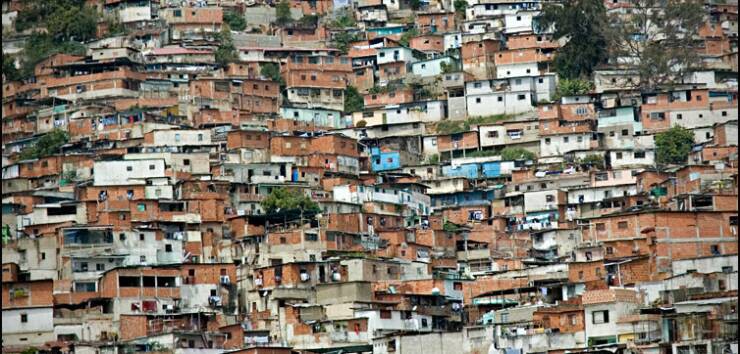
SLUMS

This week we are studying the cities and urbanization in the World.
As you have seen in the Unit 3, life is not always easy in cities and some of them are overpopulated, conditions are not always the best ones. 


What is a Slum ?

Slums are a physical and spatial sign of urban poverty. Individuals living in slums have next to zero access to administrations, for example, water, sanitation, and solid waste gathering. The majority of the lodging structures in slums are sub-standard and don’t conform to neighborhood building regulations. Frequently, slum occupants need lawful ownership for home in which they dwell or whatever viable type of secure residency.

Furthermore, slums are regularly not distinguished by open powers as a vital some piece of the city. This is one of the explanations why there is so little information on slum settlements in numerous nations.

The notion of ‘slums ‘and its definition shift from nation to nation hinging on the Socio-budgetary states of social order. The essential attributes of slums are – “feeble and sick lodging structures, poor ventilation, intense over-gathering, defective arrangement of boulevards, insufficient lighting, lack of safe drinking water, water logging throughout downpours, nonappearance of latrine offices and no accessibility of fundamental physical and social administrations.”
The living conditions in slums are generally unhygienic and in opposition to all standards of arranged urban development and are an imperative element in quickening transmission of different air and water borne ailments. The lawful definition however varies from State to State and country to country.
Planning about and for slums is a important part of city/town planning as the number of slums are increasing in cities. So a town planner should be trained to deal and provide a suitable relocation/rehabilitation for slum people.

Type of Slums

Slums / informal housing can also be classified according to the diverse processes of land /housing supply and varying degree of tenure security in the following manner
  • Freehold land (inner city blighted areas).
  • Urban villages and land owned by village panchayats
  • Chawls/Bustees
  • Encroachments on public/private land (squatters)
  • Government/private leasehold land (resettlement colonies)
  • Slums on the urban periphery
  • Illegal land-subdivisions/unauthorized colonies/revenue layouts/gramthana layouts (where land ownership may be legal or quasi legal but land subdivision is illegal)
  • Refugee Resettlement Colonies
  • Pavement dwellers, although small in percentage, are found in large mega-cities. The main difference is how the administrative /planning system regulates these settlement types.
Source: https://planningtank.com


To study and work on this, we can watch the film "Slumdog Millionaire" in the following link. 

Slumdog Millionaire

North Korea

Here you have some documentaries and videos about the situation in North Korea.


jueves, 25 de octubre de 2018

MIGRATIONS

Here you have a document about migrations, international organizations that take responsibility for this issue and useful information to prepare your topic.


GENERAL INFORMATION ABOUT MIGRATIONS
WHAT IS A MIGRATION?
  • -  MIGRATIONS are movements made by population from one geographical region to another.
  • -  According to the Committee on Migrant Workers (CMW- An international organization to protect the rights of migrant workers), a MIGRANT is “ a person who is to be engaged, is engaged or has been engaged in remunerated activity in a State of which he or she is not national (citizen)”.


    GENERALLY SPEAKING, WE HAVE 2 TYPES OF MOVEMENTS:EMIGRATIONS: Departure of a population from one place to another.- - IMMIGRATION: The arrival of people to new places.
page1image3714320MIGRATIONS HAVE ALWAYS EXISTED AND IN THE LAST YEARS (THANKS TO GLOBALIZATION, CONFLICTS, ETC.) ARE INCREASING.


NET MIGRATION RATE
No IMMIGRATIONS-No EMIGRATIONS= NET MIGRATION RATE (POSITIVE OR NEGATIVE)


page1image3680000
TYPES OF MIGRANTS
LEGAL: If they have permission or work contract.ILEGAL: They arrive in a clandestine manner.REFUGEES: Asylum due to safety problems.

CAUSES FOR MIGRATIONS
Being forced to leave their countries (natural disasters, wars, religious per- secutions, unemployment, etc.)
The appeal of the destination: better climate, better working conditions, etc.

TYPES OF MIGRATIONS
INTERNAL: Within the State, like rural exodus in periods of crisis or desti- nation to more industrialize areas looking for a job.
INTERNATIONAL: Between countries (around 250 million people in the world)


page2image3682288
THIS TWO TYPES OF MIGRATIONS HAS AN ECONOMIC IMPACT IN BOTH PLACES, THE COUNTRY OF ORIGIN AND THE RECEIVING COUNTRY.
AN IMF STUDY, PUBLISHED IN OCTOBER 2016 (“IMPACT OF MIGRATION ON INCOME LEVELS IN ADVANCED ECONO- MIES”) SHOWS THAT MIGRATIONS INCREASE GDP AND PRODUCTIVITY IN ADVANCED ECONOMIES, IN BOTH HIGH- AND LOW-SKILLED MIGRANTS.


YOU CAN SEE AND INTERACTIVE MIGRATION MAP HERE http://metrocosm.com/global-immigration-map/

APART FROM ECONOMIC REASONS, MIGRATION OF REFUGEES ARE INCREASING IN THE WORLD.

page2image3746144
HERE YOU HAVE A MAP OF ECONOMIC MIGRATIONS 2013.


POLICIES (MEASURES AND LAWS THAT STATES APPLY)
  • -  COUNTRIES OF ORIGIN: Policies to favor emigration or the opposite, to keep the people in the country if needed.
  • -  RECEIVING COUNTRIES: This policies regulate the entry and the type of migrants welcomed, the rights they have and the employment conditions. They also rule integration of cultures and help them to return to their coun- tries.

    CONSECUENCES

    COUNTRIES OF ORIGIN::-) Decreases overpopulation and birth rate (emigrants are usually young):-) Decreases unemployment and social conflicts:-( Lost of young population and ageing society.

    RECEIVING COUNTRIES::-) Rejuvenation of their population and increases birth rate.
    :-) Supply chip and non-qualified work that must be done.
    :-) Increases linguistic and cultural diversity.
    :-( Problems of coexistence (xenophobia, racism, etc.)
    :-( Lack of affordable accommodation, etc.
ABOUT HUMAN RIGHTS AND MIGRATIONS INSIDE THE UNITED NATIONS

ORGANIZATIONS YOU NEED TO KNOW
  • -  GLOBAL FORUM ON MIGRATION AND DEVELOPMENT (GFMD): Created between 2006-2007. It does not belong to the UN, but its 150 Member States are members and observers of the UN. Its aim is the protection of human and employment rights.
    https://gfmd.org

  • -  DURBAN DECLARATION AND PROGRAM OF ACTION AGAINST RACISM AND XENOPHOBIA (DDPA): Conference promoted by the UN in Durban (South Africa) in 2001. In this declaration they promote measures against discrimination.
    http://www.un.org/WCAR/durban.pdf

  • -  HUMAN RIGHTS COUNCIL (HRC): Council created in 2006 by the General Assembly of the UN by resolution 60/251, formed by 47 Member States. Its aim is protecting human rights all over the world. They meet throughout the year to address human rights violations in the world, collaborating also with other agencies and NGO ́s. Its basis is the Universal Declaration of Human Rights (1945).
    http://www.ohchr.org/en/hrbodies/hrc/pages/hrcindex.aspx

  • -  GLOBAL MIGRATION GROUP (GMG): Created in 2006 by the UN to meet international goals about migrations and human rights. It is composed by
page4image5847248page4image5848080page4image5849536

ALL THIS ORGANIZATIONS WORRIED ABOUT THE PRO- BLEMS FACED BY MIGRANTS:

Developed countries are recently closing their doors to immigrants as coun- tries become more nationalistic and tighten their immigration policies, so immigrants find barriers to successful integration in receiving countries.
Even for refugees, some countries don’t accept them or don’t provide with basic human rights.


- POLITICAL AND LEGAL
Developed countries are recently closing their doors to immigrants as coun- tries become more nationalistic and tighten their immigration policies, so immigrants find barriers to successful integration in receiving countries.
Even for refugees, some countries don’t accept them or don’t provide with basic human rights.

PHYSICAL VIOLENCE:
Xenophobic violence, racism and intolerance against migrants and their cul-

ture.HOUSING:
Migrants must sometimes live in unserviced or unplanned settlements in the outskirts of the cities (“ghetto”) due to the lack of resources.
EDUCATION:
Migrants and their families come from countries with different languages and cultures. The integration inside the educational system is not always easy.

domingo, 8 de abril de 2018

¿Cómo se comenta una obra de arte?

Detrás de cada obra de arte hay una razón, un significado y un testimonio histórico. 
En la E.S.O. tenemos que aprender a hacer un comentario de obra de arte académico, y para ello, seguiremos el siguiente guión:


1. LOCALIZACIÓN DE LA OBRA: Podemos hacerlo al principio o al final del comentario. A veces identificar las obras no es fácil, pero si podemos escribiremos título, autor, lugar, fecha, estilo.

2. ANÁLISIS:

- Breve descripción de la imagen (qué se ve, cuál es el tema).

- Principales rasgos técnicos de la obra, con todo lo característico del estilo:

     * Arquitectura: Planta y alzado del edificio, tipo de construcción, materiales, decoración,        simbolismo del espacio, iluminación…

     * Escultura: Tipo de escultura, material, forma, movimiento, composición, punto de vista, etc.

     * Pintura: Técnica, formas y composición, color, luz, profundidad, movimiento…

     * Función y significado de la obra.

3. SÍNTESIS O CONTEXTO:

– Aspectos económicos, sociales, políticos, religiosos y culturales de la época.

– Relación de la época con el estilo artístico al que pertenece la obra.

– Cuestiones sobre el autor: hablaremos brevemente sobre origen, su estilo, su formación, otras obras importantes, etc.

– Importancia de la obra para su época y para la historia del arte.

4. CONCLUSIÓN: Aquí haremos una pequeña síntesis de todo lo expuesto, algunas ideas generales y rematamos el comentario.

Ahora a practicar con estos dos ejemplos:


Iglesia de San Martín de Fromista (Palencia). S. XI.


Sandro Botticelli. El nacimiento de Venus. Galería de los Uffizi (Florencia). 1482-1484.


Behind every artwork there is a reason, a meaning and a historical testimony.

During E.S.O., we have to learn how make academic commentaries and for that, we can follow this outline:


1. LOCATION: We can locate it at the beginning or at the end of the comment. Sometimes identifying works is not easy, but if we can, we have to write the title, author, place, date, style.

2. ANALYSIS:

- Brief description of the image (you can include the topic here).

- Main technical features of the work applying the main features of the style:

  
* Architecture: Plan and elevation of the building, type of construction, materials, decoration, symbolism of space, lighting, etc.

     
* Sculpture: Type of sculpture, material, form, movement, volumes, composition, point of view, etc.

     
* Painting: technique, shapes and composition, color, light, depth, movement, support, etc.

     
*  Function and meaning of the work.

3. SYNTHESIS OR CONTEXT:- Economic, social, political, religious and cultural aspects of the period.

- Relationship of the period with the artistic style to which the work belongs.

- Information about the author: we will briefly talk about his origin, his style, his training, other important works, etc.

- Importance of the work for its time and for the history of art.

4. CONCLUSION: Here we will do a brief summary of all the commentary, some general ideas and a sentence to finish the commentary.

Now, let's practice using the previous examples.

Here you have some videos that can help you:


Los paisajes naturales